
A different way to improve communication skills
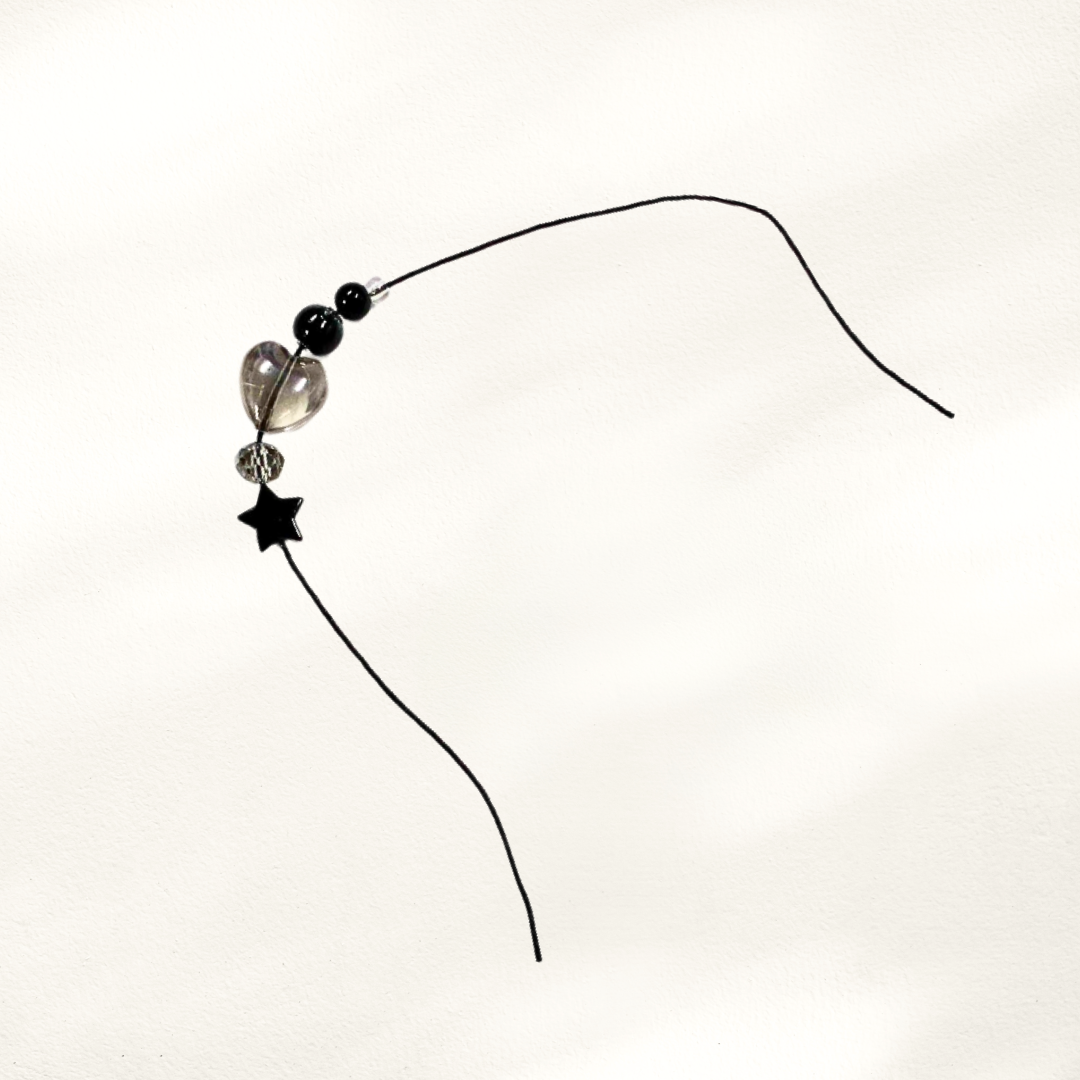
“I broke this in the first 48 hours.”
That’s what my Japanese client said to me as she showed me her bracelet on our coaching call.
We’d been working on removing from her communication several words that lowered her status when speaking English with her global business colleagues.
The first step was for her to become more aware of when she was using them.
So she’d bought herself a bracelet. When she realized that one of those “weak words” had popped out of her mouth, she switched the bracelet to the other wrist as a signal to her brain to pay attention.
“How did it break so soon?” I asked.
“Because I had to switch wrists so many times!”
Well, it was unfortunate that the bracelet had broken, but the good thing was that she’d become much more aware about how to sound professional and credible when speaking English!
She was happy about that!
So you may be wondering what sort of words to avoid in your global business conversations? Here are three categories that I often warn my clients about:
1. I’m sorry (and other apologies)
How often do you say, “I’m sorry”?
I’m British and, like the Japanese, we traditionally apologize a lot because we don’t want to bother people.
There’s a hilarious video clip of John Cleese, the famous British actor, being interviewed on the David Letterman show. He demonstrates to the American audience how a British person would ask for a piece of toast…
“Um, sorry… I wonder if I could be so very bold as to, uh, suggest that you might be so good as to consider the possibility that you might in due course possibly see your way clear to, um, being so very good as to pass me a slice of toast.”
Humor aside, excessive apology in business risks multiple downsides:
- Causing miscommunication
- Wasting time
- Losing trust
- Feeling bad
You’ve probably heard of the boy who cried wolf? オオカミ少年? He shouted, “Wolf!” so many times that when an actual wolf came, nobody believed him.
When you say, “I’m sorry” repeatedly for minor things, how can people take you seriously when you genuinely need to apologize?
To elevate your leadership presence, stop saying “sorry” unless you’ve genuinely done something to upset someone.
I often see Japanese business professionals apologizing for their English. People aren’t upset about your English, so no need to say sorry for it.
In fact, they might think your English is good. It’s probably better than their Japanese!
So whenever you find yourself starting to apologize, ask yourself, “Is it really necessary? Is the other person genuinely upset about this?”
When you decrease your apologies, notice how attitudes toward you start to change and how much stronger you feel.
2. I think
Many of my Japanese clients start their sentences with “I think.”
Like the British, Japanese people often hesitate to be definite because we don’t want to offend others.
That’s why in Japanese we commonly hear, かもしれません and と思います。
But when you use “I think” regularly in business, it conveys uncertainty. That has the same downside risks I mentioned before around potential miscommunications, efficiency, trust, and how you feel.
The fact that the words are coming from your mouth shows that it’s your opinion, so you don’t need to add, “I think” unless you truly want to convey uncertainty.
Having a different opinion is often a good thing in business because taking multiple perspectives into account helps to achieve the best solutions.
So, when you notice you’re saying, “I think,” check with yourself whether you need it.
3. Perhaps, maybe, possibly
Words like “perhaps,” “maybe,” and “possibly” do of course have their place, but vague communication can cause problems.
I was role playing in an online coaching session with a client, so she could practice being more assertive in stopping her colleagues from coming to her with distracting tasks that other people could do instead of her.
When she first practiced responding to the request, she said, “Perhaps you could ask Sato-san to get the data for you?”
To help her step out of her comfort zone, I played a difficult colleague and responded, “But I’m sure this wouldn’t take you long. I know you have the data, so could you do it for me?”
And she immediately backed down and agreed to check the data.
After some guidance from me and several practices, she could confidently say, “I understand you need the data and you need it soon. Because my schedule is completely full right now, please ask Sato-san. I’m sure she’ll be able to help you faster than I could.”
Can you be confident and humble?
This same client is a highly talented Japanese woman working in a global firm. It was wonderful to see her grow in just a few minutes as we practiced in the role play. Instead of causing miscommunication, wasting her own time, losing trust, or feeling bad, she became clearer, more convincing, and more confident.
But she was still concerned that being confident meant that people might think she wasn’t humble. And clearly, being humble was important to her because it’s a valued part of Japanese culture.
I asked her what humble meant to her. She said, “Not pushing too much and not showing off. Instead, doing what I can based on who I am and what I can really do.”
Then she realized that’s exactly what she was doing in the new version of herself. She could be confident and humble at the same time.
Want to listen?
If you like to listen, you can hear me talk about these three categories in Episode 73 of the Sasuga! Podcast: Stop Using Weak Words In Meetings.
Frequently Asked Questions
What words should you avoid to sound more confident in business English?
Common expressions that tend to lower how confident and credible someone sounds in business English: over-apologizing (saying “I’m sorry” for minor things), prefacing opinions with “I think” when it isn’t needed, and overusing softeners like “perhaps,” “maybe,” or “possibly.” None of these are wrong on their own, but using them out of habit rather than genuine need can signal uncertainty rather than professionalism.
Why do people apologize too much in business settings?
Excessive apologizing is often a cultural habit rather than a sign anything is actually wrong. For example, British and Japanese communication styles both lean toward frequent apology to avoid bothering others. But repeating “I’m sorry” for minor things can cause miscommunication, waste time, and erode trust. It can also make a genuine apology land with less weight when actually needed.
How can you become more aware of habits that weaken your communication?
Once you’ve learned what kind of expressions weaken your professional communication, such as excessive apologies, “I think,” and softeners such as “perhaps,” “maybe,” or “possibly,” you can start to listen out for them in your communication. Slowing you speech slightly and being more intentional with word choice can help. You can also use a physical cue, such as a bracelet. Switch it to the other wrist every time a weakening word or phrase slips out. This creates an immediate signal to the brain to pay attention. Over time, this kind of habit-tracking makes the pattern much easier to notice and correct in the moment.
Can you be confident and humble at the same time?
Yes — confidence and humility aren’t opposites. Humility can mean not pushing too hard or showing off, while still doing what you’re capable of based on who you are. Speaking clearly and directly doesn’t cancel out humility; it’s possible to sound confident while staying true to values like humility that matter in Japanese business culture.
Can coaching help with breaking habits like over-apologizing or hedging in business English?
Yes. Working with a coach who understands both the language and cultural context can help professionals identify the specific words and habits that are lowering their perceived status, build awareness of when those habits show up, and practice more direct alternatives in realistic meeting or presentation scenarios until the new pattern feels natural.