
A leadership story and lesson I’ll never forget
Greetings from the UK!
I’m in Yorkshire for a few weeks, visiting parents with my daughter and her boyfriend (husband is home with the cat).
You might think I’m escaping the heat of the Japan summer, but it was 33 degrees when we landed in London 😱
While here, I’m relaxing, planning a new project, and having a few coaching calls and work-related conversations.
I was in touch on LinkedIn DM with a lovely Japanese woman who’s very interested in facilitation skills.
We were talking about how the same facilitation can have completely different results depending on the group.
A situation I’ll never forget
Before covid, I used to co-facilitate a 3-day women’s leadership program in different countries. In one activity, we gave the participants instructions and then left it to them to take the lead.
In countries such as India, the women started talking immediately and were eager to complete the task.
Japan was completely different.
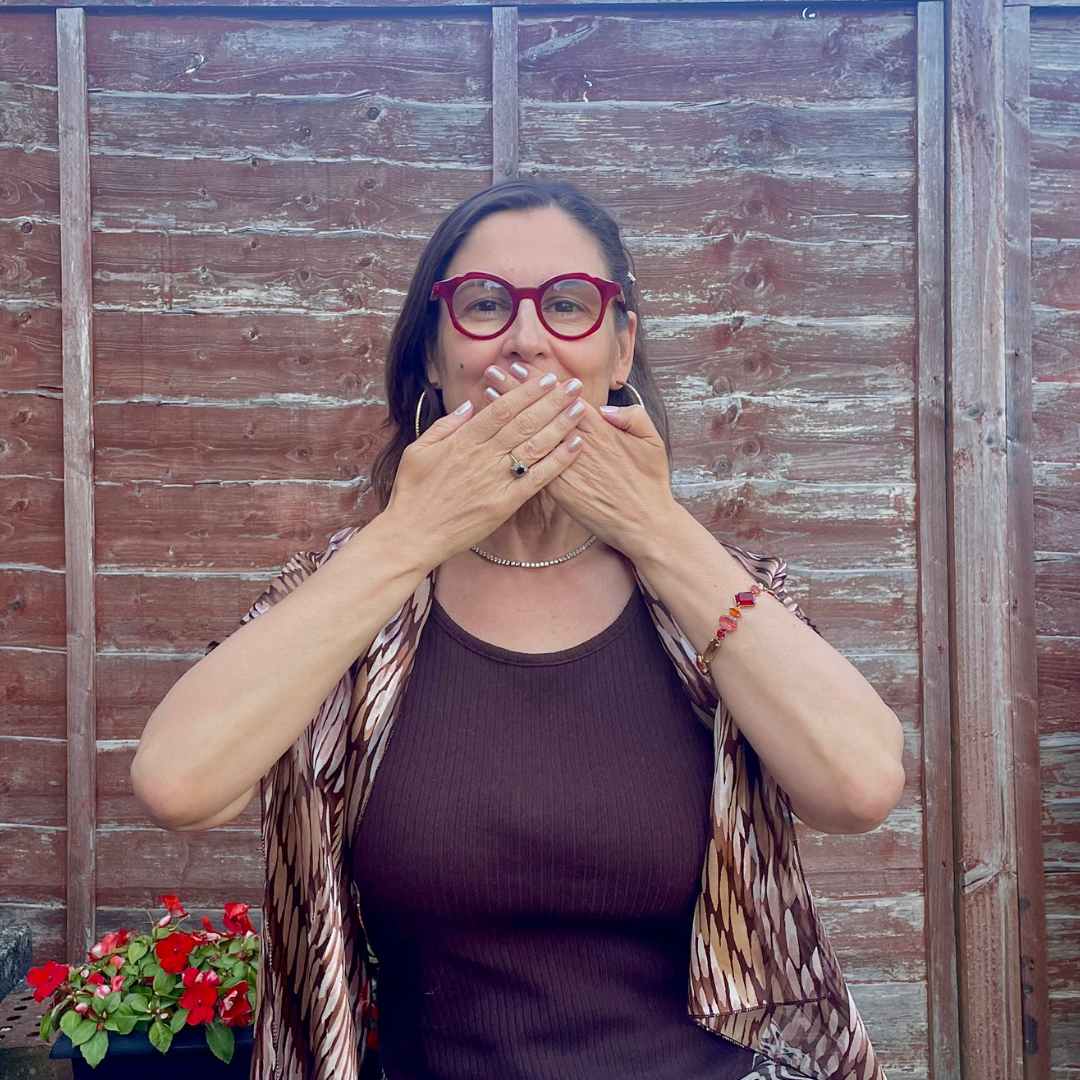
Silence.
No one wanted to be the first to speak.
Can you guess how long it took before one woman finally had the courage to say something?
20 minutes!!!
The junior facilitator in the room was freaking out. She kept whispering that we needed to intervene because the situation was sooooooo uncomfortable.
But here’s the thing.
It was essential for the participants to experience the discomfort, so they could realize just how much their hesitation was holding them all back—not only as individuals, but also as a group.
It’s normal to be nervous
Early in my career, my natural character and British upbringing meant that speaking up didn’t come naturally to me. But I realized I needed to speak up, so the company could evaluate my performance and I could make a contribution in my work.
So I started pushing myself out of my comfort zone in gradually bigger and more important meetings, and eventually learned to speak up clearly and confidently.
Even now, I feel a bit of nerves speaking up in unfamiliar situations, but I know it’s normal. And I know what to do so that I look and sound confident anyway.
Speaking up is a skill that anyone can learn
Here’s what it takes…
- Mindset: What you think
- Content: What you say
- Body language: How you look
- Voice: How you sound
- Practice: Repetition, so you can speak up naturally without having to think about each of the techniques
A moment to reflect
In the situation I described, how long do you think it would take you to speak up? What might hold you back? And what could you (and those around you) gain if you spoke up sooner?
Have you thought about coaching?
 I’m Helen Iwata and I help managers and executives in Japan lead and communicate confidently as they step into bigger global business roles, while staying true to themselves.
Learn more about Sasuga! Coaching here.
Frequently Asked Questions
Why do Japanese participants often stay silent longer in group discussions than participants from other countries?
Silence in group discussions is often a cultural pattern rather than a sign of disengagement. In facilitation work across multiple countries, Japanese participants have taken longer to speak up first compared to participants from countries like India, where discussion starts immediately. It reflects a different relationship with hesitation, group harmony, and risk rather than a lack of ideas.
How long can it take for someone to break the silence in a group discussion in Japan?
In one facilitation example from a 3-day women’s leadership program, it took 20 minutes before a single participant spoke up in a group activity.
Should a facilitator step in when a group goes silent?
Not always. Depending on the situation, sitting with the discomfort can be more valuable than rescuing the group from it because it gives participants the chance to notice how much their own hesitation is holding back not just themselves, but the whole group. Facilitators, especially less experienced ones, often feel pressure to
Is it normal to feel nervous about speaking up, even for experienced professionals?
Yes. Nervousness about speaking up doesn’t fully disappear with experience, and even seasoned professionals feel some nerves in unfamiliar situations. What changes over time isn’t the absence of nerves, but learning how to look and sound confident despite them.
Can speaking up confidently be learned or is it a fixed personality trait?
Speaking up confidently is a learnable skill rather than a fixed trait. It comes down to five things: mindset (what you think), content (what you say), body language (how you look), voice (how you sound), and practice (repetition until it becomes natural without having to think about each element).
What’s a practical way to get better at speaking up in meetings?
Gradual exposure works well: deliberately pushing yourself into slightly bigger or higher-stakes conversations over time, rather than attempting a big leap all at once. This is how confidence is typically built, moving step by step from smaller meetings to more important ones.
Is coaching helpful for speaking more clearly and confidently in meetings?
Yes, Working with a coach who has communication skills expertise (and cultural sensitivity) can help business professionals to speak more clearly and confidently in meetings by addressing mindset issues, introducing techniques around content, body language, and voice, and giving feedback as coachees practice real meeting scenarios.